
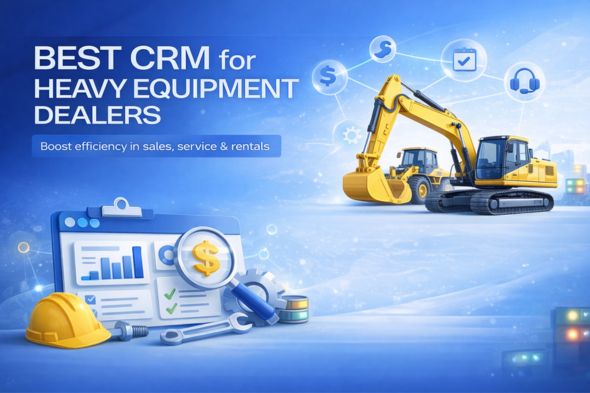
Running a heavy equipment dealership requires managing complex customer relationships, tracking high-value transactions, and coordinating between sales, service, and rental operations. Choosing the right CRM for heavy equipment dealers can make the difference between smooth operations and lost opportunities.
This guide explores 20 leading CRM solutions that help equipment dealers manage their business more efficiently.
Heavy equipment sales cycles differ from typical retail transactions. Dealers manage substantial purchases, long-term service agreements, rental contracts, and parts inventory. The right customer relationship management system addresses these specific needs.
A proper CRM for heavy equipment dealers should track customer machines, service histories, and upcoming maintenance requirements. Sales teams need visibility into inventory, customer purchase patterns, and competitive pricing data.
For dealerships seeking professional Salesforce implementation, Sailwayz offers specialised consulting services tailored to heavy equipment operations. As a certified Salesforce consulting partner, they provide personalised consultations, tailored CRM strategies, and continuous support to unlock Salesforce’s full potential.
Sailwayz works across multiple industries, including manufacturing and construction sectors. Their team helps dealerships configure Salesforce Sales Cloud, Service Cloud, and Analytics Cloud to meet specific operational requirements. The company focuses on custom workflow automation, data migration, and team training.
Their approach begins with analysing dealership processes before recommending solutions. This method ensures implementations align with existing operations rather than forcing dealers to adapt to generic systems.
Visit Sailwayz to learn more about their Salesforce consulting services.
Texada provides purpose-built equipment dealer software combining CRM with rental management and service tracking. Their system offers mobile access for field sales representatives, allowing teams to view nearby customers and machines using location-based features.
The platform integrates with major ERP systems including Microsoft AX and CDK. Sales teams can create quotes, manage opportunities, and develop account plans within a single interface.
Designed specifically for heavy equipment distributors, crmSeries offers industry-specific terminology and workflows. The system includes machine inspection tools, undercarriage wear calculators, and GET profiling features.
Sales representatives can access the platform through mobile devices whilst working in the field. Integration capabilities include DocuSign for contracts, Avalara for tax calculations, and various OEM telematics systems.
Nutshell positions itself as an affordable alternative to enterprise platforms like Salesforce. The system provides visual pipeline management, email marketing capabilities, and sales automation features.
Heavy equipment dealerships can track total equipment sales by product type, sales representative, or lead source. The platform offers dozens of native integrations plus thousands more through Zapier connections.
Flyntlok combines dealer management system functionality with integrated CRM capabilities. The cloud-based platform includes built-in rental software, repair order management, and inventory tracking.
Sales teams can quote live parts and equipment inventory directly from the CRM. The system runs on Google Cloud infrastructure, providing real-time reporting and mobile accessibility.
Vizybility offers modern cloud-based dealer management software with CRM functionality. Built for construction equipment, crane and lift equipment, and commercial truck dealers, the system emphasises data visualisation and reporting.
The platform helps dealers analyse business performance through customised dashboards. Security features leverage current cloud technology rather than legacy systems.
Anvil Pro consolidates customer account details, activity tracking, and purchase history into one platform. The dealership-specific CRM connects seamlessly with third-party business systems including EQUIP, CDK, and DIS.
The system provides transparent pricing data from their machinery database, helping dealers make informed valuation decisions.
With over 30 years serving forklift, agriculture, heavy construction, and material handling dealers, Softbase Evolution offers comprehensive dealership management. Their CRM module integrates with accounting, parts inventory, rental management, and field service features.
The platform emphasises ease of use whilst connecting all dealership processes. Real-time updates keep teams informed throughout repair and service operations.
Voze addresses a common problem: sales representatives who view CRM data entry as time-wasting. The platform allows reps to capture information through voice memos, handwritten notes, or mobile uploads.
Information flows automatically into existing CRM, ERP, or dealer management systems. This approach reduces manual data entry whilst improving information quality.
Built by dealers for dealers, Dealership Drive offers CRM software designed for commercial and heavy equipment operations. The system manages accounts, contacts, leads, sales pipelines, and inventory integration.
The platform focuses on simplifying dealer operations through practical features developed from direct industry experience.
VitalEdge provides robust enterprise-level dealer management with integrated CRM capabilities. The platform supports over 40 OEM partner integrations, enabling smooth workflows and faster service delivery.
Their system emphasises comprehensive integration across sales, parts, service, and rental operations. Training resources and support help teams maximise platform utilisation.
Salesforce remains a leading enterprise CRM platform adaptable to heavy equipment operations. Sales Cloud offers customisable pipelines, automation tools, and extensive third-party integrations.
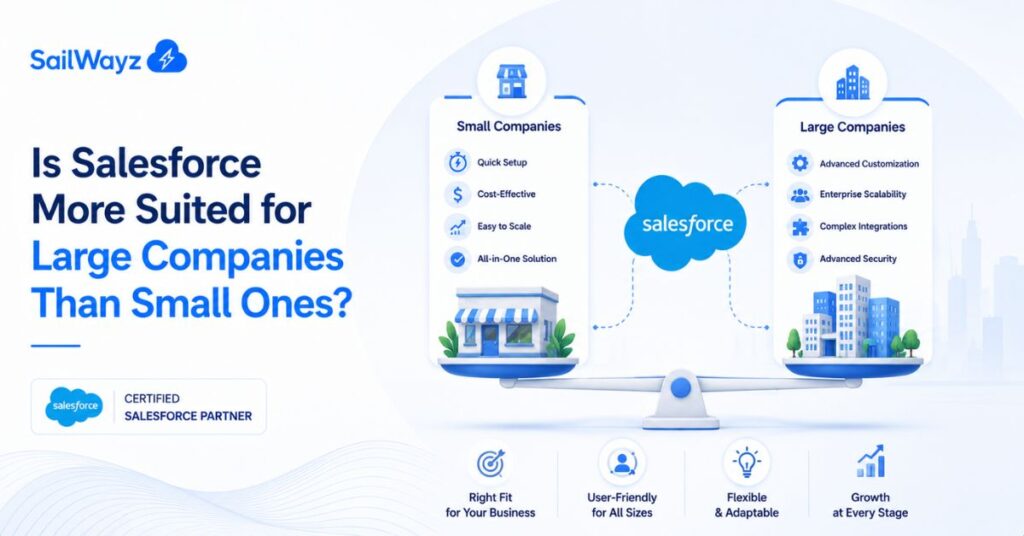
Implementation typically requires partnering with consultants like Sailwayz who understand equipment dealer workflows. The platform scales from small dealerships to multi-location enterprises.
HubSpot provides a free CRM with paid tiers offering advanced features. The all-in-one platform combines sales, marketing, and service functionality.
Whilst not equipment-specific, HubSpot’s flexibility allows dealers to customise the system. Marketing automation and email capabilities support lead nurturing efforts.
Pipedrive emphasises visual pipeline management and sales-focused workflows. The platform offers straightforward pricing and rapid implementation compared to more complex enterprise systems.
Sales teams benefit from intuitive interfaces requiring minimal training. Mobile applications support field sales activities with full desktop functionality.
Zoho offers competitive pricing across multiple plan tiers. The system provides sales automation, forecasting tools, and workflow capabilities suitable for growing dealerships.
Integration with other Zoho applications creates a broader business management ecosystem. Customisation options allow dealers to adapt the platform to specific processes.
Microsoft’s CRM solution integrates with Office 365 and other Microsoft products. The platform offers AI-driven insights, relationship analytics, and customisable dashboards.
Dealers already using Microsoft infrastructure may find smoother integration. Implementation complexity typically requires professional assistance.
Monday.com extends its project management platform into CRM territory. The visual interface emphasises customisation and team collaboration.
Dealers can create custom workflows, automate repetitive tasks, and connect with existing tools. The platform suits teams comfortable with modern, flexible software interfaces.
Insightly combines CRM with project management features. The system tracks customer relationships alongside service projects and installation work.
Integration capabilities include Google Workspace and Microsoft 365. Pricing scales based on features rather than just user count.
Designed for Google Workspace users, Copper integrates directly with Gmail and Google Calendar. The system automatically captures contact information from email communications.
The platform suits dealers whose teams already work primarily within Google applications. Mobile access supports field operations.
True to its name, Less Annoying CRM focuses on simplicity and ease of use. The flat-rate pricing includes all features without tiered plans.
The system works well for smaller dealerships prioritising straightforward contact management and pipeline tracking over advanced features. Customer support receives consistently positive reviews.
When evaluating a CRM for heavy equipment dealers, certain capabilities matter more than others. Here is why these features prove valuable:
Managing customer-owned machines requires tracking purchase dates, service history, warranty status, and usage patterns. This information helps service teams schedule preventative maintenance and sales teams identify replacement opportunities.
Heavy equipment operations extend beyond customer relationships. Integration with parts inventory, service scheduling, and rental management systems creates a complete operational picture.
Sales representatives spend significant time visiting job sites and customer facilities. Mobile applications must provide full functionality, not stripped-down versions of desktop features.
Dealership managers need visibility into sales performance, service revenue, rental utilisation, and customer profitability. Customisable reports support data-driven decisions.
Equipment dealers face a choice between industry-specific platforms like crmSeries and Texada versus general CRM systems like Salesforce and HubSpot.
Industry-specific platforms offer pre-configured workflows, equipment-focused terminology, and built-in features like machine tracking. Implementation typically happens faster since core functionality already addresses dealer needs.
General platforms provide greater flexibility and broader feature sets. Dealers can customise extensively but require more configuration effort. Working with implementation partners like Sailwayz helps bridge this gap for platforms like Salesforce.
The right choice depends on dealership size, technical resources, and specific operational requirements. Smaller dealers may prefer turnkey industry solutions whilst larger operations might benefit from customisable enterprise platforms.
Selecting software represents just the first step. Successful CRM implementation requires planning and commitment.
Moving customer records, equipment histories, and transaction data from existing systems requires careful planning. Clean, accurate data enables better decision-making from day one.
Even excellent software fails without proper user adoption. Training programmes should address different roles: sales representatives need pipeline management training whilst service teams require equipment tracking guidance.
Few dealerships operate CRM in isolation. Connections to accounting software, parts systems, and manufacturer portals create a unified operational environment.
Software needs evolve as businesses grow. Whether through vendor support, consulting partners like Sailwayz, or internal resources, ongoing assistance ensures continued success.
CRM pricing varies widely across platforms. Understanding total costs helps avoid budget surprises.
Per-user pricing remains common, with monthly fees ranging from £10 to £150+ per user depending on features. Volume discounts often apply for larger teams.
Some platforms like Salesforce charge additional fees for advanced features, extra data storage, or premium support. Others like Less Annoying CRM offer flat pricing regardless of team size.
Implementation costs add significantly to total investment. Industry-specific platforms typically require less configuration than general systems. Professional implementation through consultants ensures proper setup but increases initial costs.
No single CRM suits every heavy equipment dealership. The right solution depends on specific circumstances.
Smaller dealerships (under 10 employees) often benefit from straightforward systems like Less Annoying CRM or Nutshell. These platforms offer essential features without overwhelming complexity.
Mid-sized operations (10-50 employees) should consider industry-specific platforms like crmSeries or Texada. Pre-configured dealer workflows accelerate implementation whilst providing room for growth.
Larger dealerships and multi-location operations may require enterprise platforms like Salesforce. Working with implementation partners such as Sailwayz ensures proper configuration for complex operational requirements.
Selecting the right CRM for heavy equipment dealers requires balancing industry-specific features, implementation complexity, and long-term scalability. From specialised platforms like crmSeries and Texada to enterprise solutions like Salesforce (implemented through partners like Sailwayz), dealers have numerous options.
The most effective approach involves assessing current operational needs, evaluating team technical capabilities, and understanding growth plans. Whether choosing industry-specific software or customisable enterprise platforms, proper implementation and training determine success.
Equipment dealerships investing in appropriate CRM technology gain better customer visibility, improved operational efficiency, and stronger competitive positioning in an increasingly digital marketplace.
What is the main benefit of using a CRM for heavy equipment dealers?
A specialised CRM helps dealerships manage complex customer relationships, track equipment lifecycles, and coordinate sales, service, and rental operations in one system. This centralisation improves efficiency, reduces manual tasks, and provides better visibility into customer needs and business performance across all departments.
How much should a heavy equipment dealer expect to spend on CRM software?
CRM costs vary widely depending on platform choice and dealership size. Basic systems start around £10-20 per user monthly, whilst enterprise platforms range from £50-150+ per user. Implementation costs, training, and integration work add to total investment. Industry-specific platforms may cost more but require less customisation effort.
Can general CRM platforms like Salesforce work for equipment dealers?
Yes, general platforms offer flexibility to customise for equipment dealer operations. Partners like Sailwayz specialise in configuring Salesforce for dealership workflows, including equipment tracking, service scheduling, and rental management. General platforms suit larger dealers with complex requirements or those wanting extensive customisation options beyond industry-specific software.
What integration capabilities should equipment dealers prioritise?
Equipment dealers should ensure CRM integrates with their dealer management system, parts inventory software, accounting platform, and manufacturer OEM systems. Email and calendar synchronisation helps sales teams work efficiently. Mobile integration allows field representatives to access customer data, equipment information, and inventory availability whilst visiting customer sites.
How long does typical CRM implementation take for an equipment dealership?
Implementation timelines vary by platform complexity and dealership size. Industry-specific systems like crmSeries or Texada may launch within 2-4 weeks. General platforms like Salesforce typically require 6-12 weeks with proper configuration. Working with experienced implementation partners accelerates deployment whilst ensuring proper setup for long-term success.

Joshua Eze is the Founder & Salesforce Architect at Sailwayz, a certified Salesforce Consulting Partner based in the UK. With over 6 years of experience leading CRM transformations, he is a certified Application & System Architect passionate about using technology to simplify business processes. Joshua helps companies unlock the full potential of Salesforce with strategic, scalable, and secure solutions.
